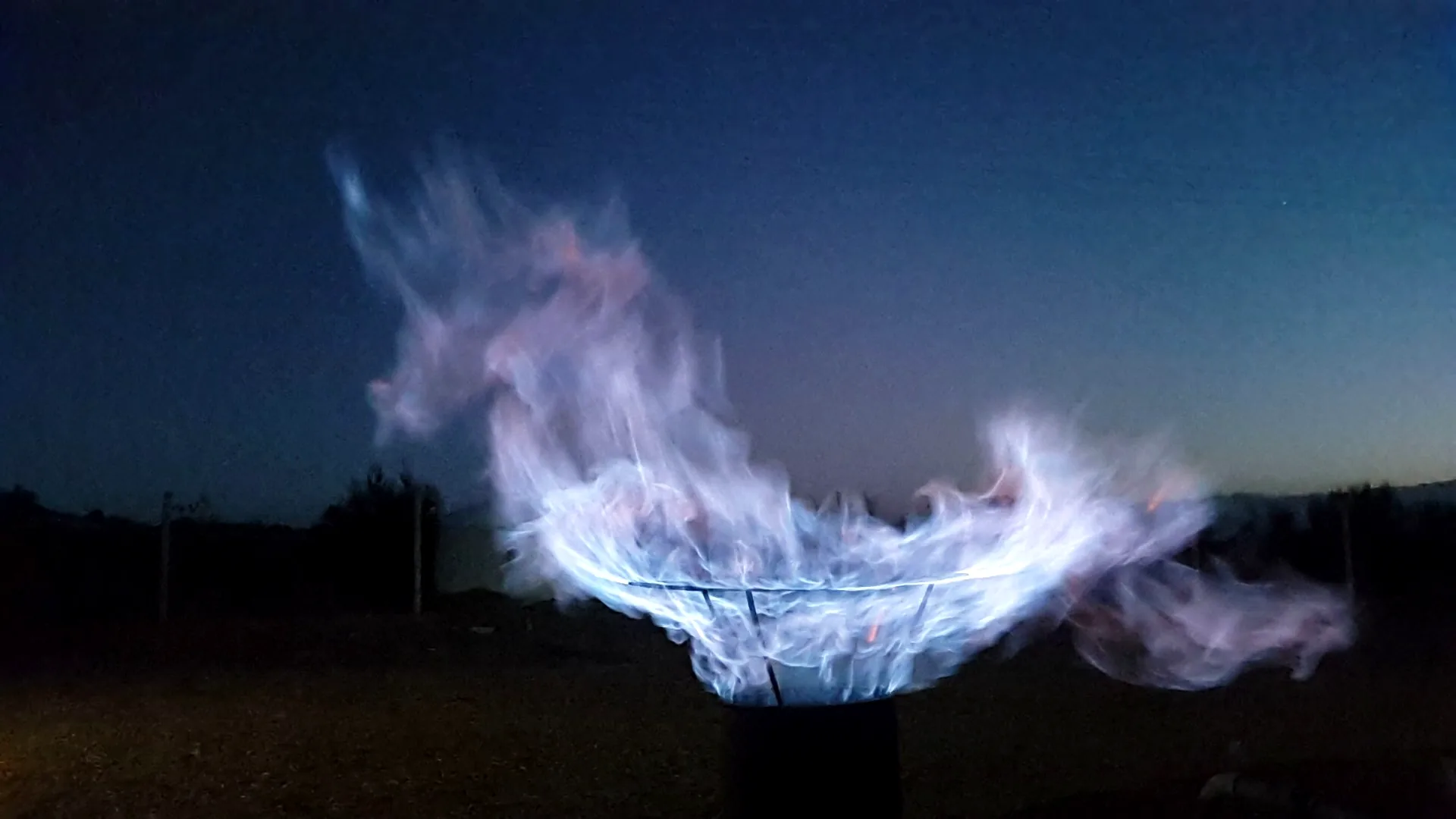
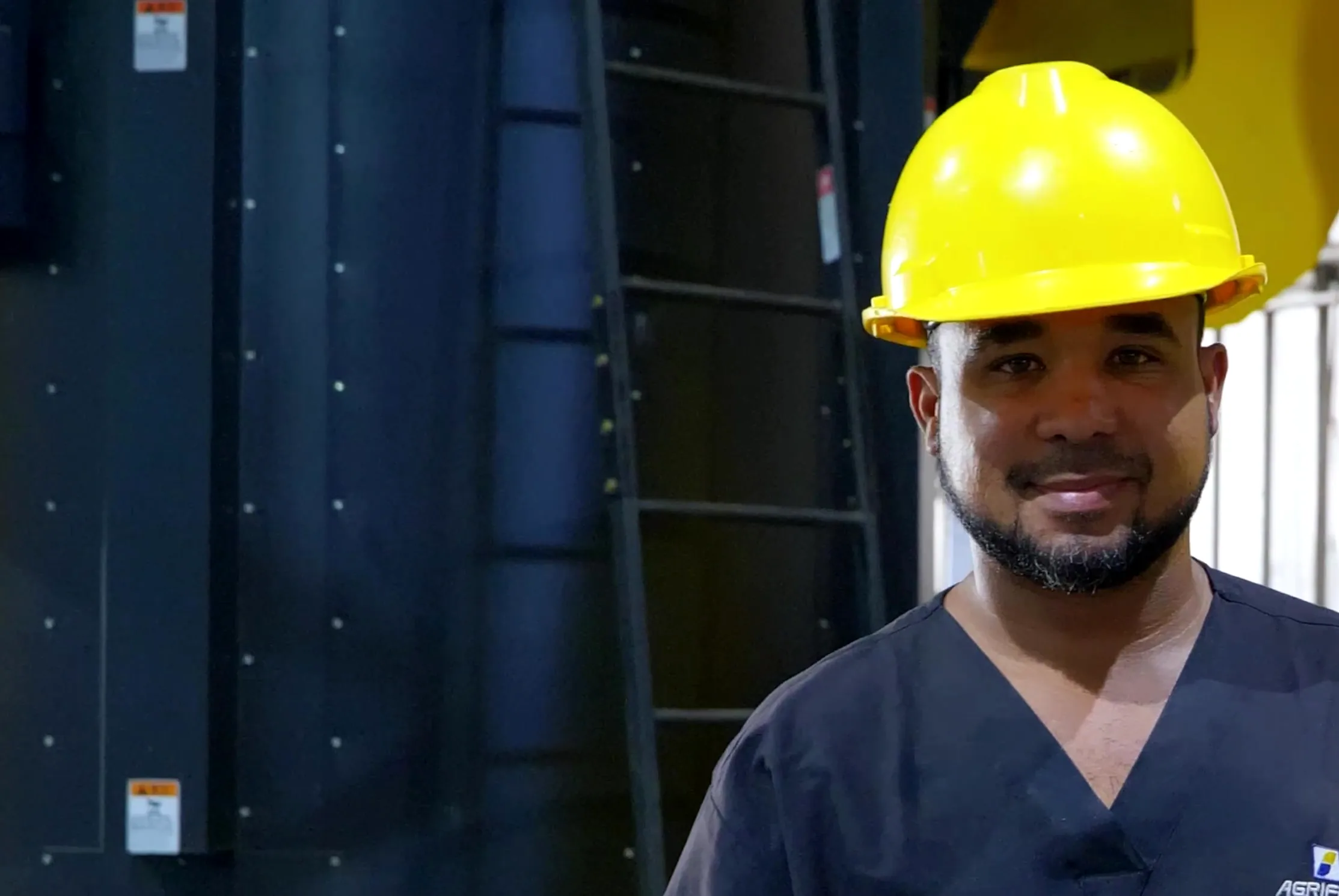
If your plant burns LPG, diesel or fuel oil and produces husks, shells, prunings or chips, we turn that residue into the gas, heat and power you buy today, and into biochar.
Every harvest leaves something behind: husks, shells, prunings, chips. One plant, installed beside your line, turns that single stream into the energy you already buy and a carbon product you can sell.
1 inputInYour residueWhat your process already produces, delivered at the gate.
Husks
Shells
Prunings
Chips
PlantLatAm ST350 GasifierAI-monitored, installed beside your line. Runs on your residue alone, no fossil fuel.
01Residue is dried and fed
02Controlled air and heat turn it into a combustible gas
03The gas is burned for heat or runs an engine for power
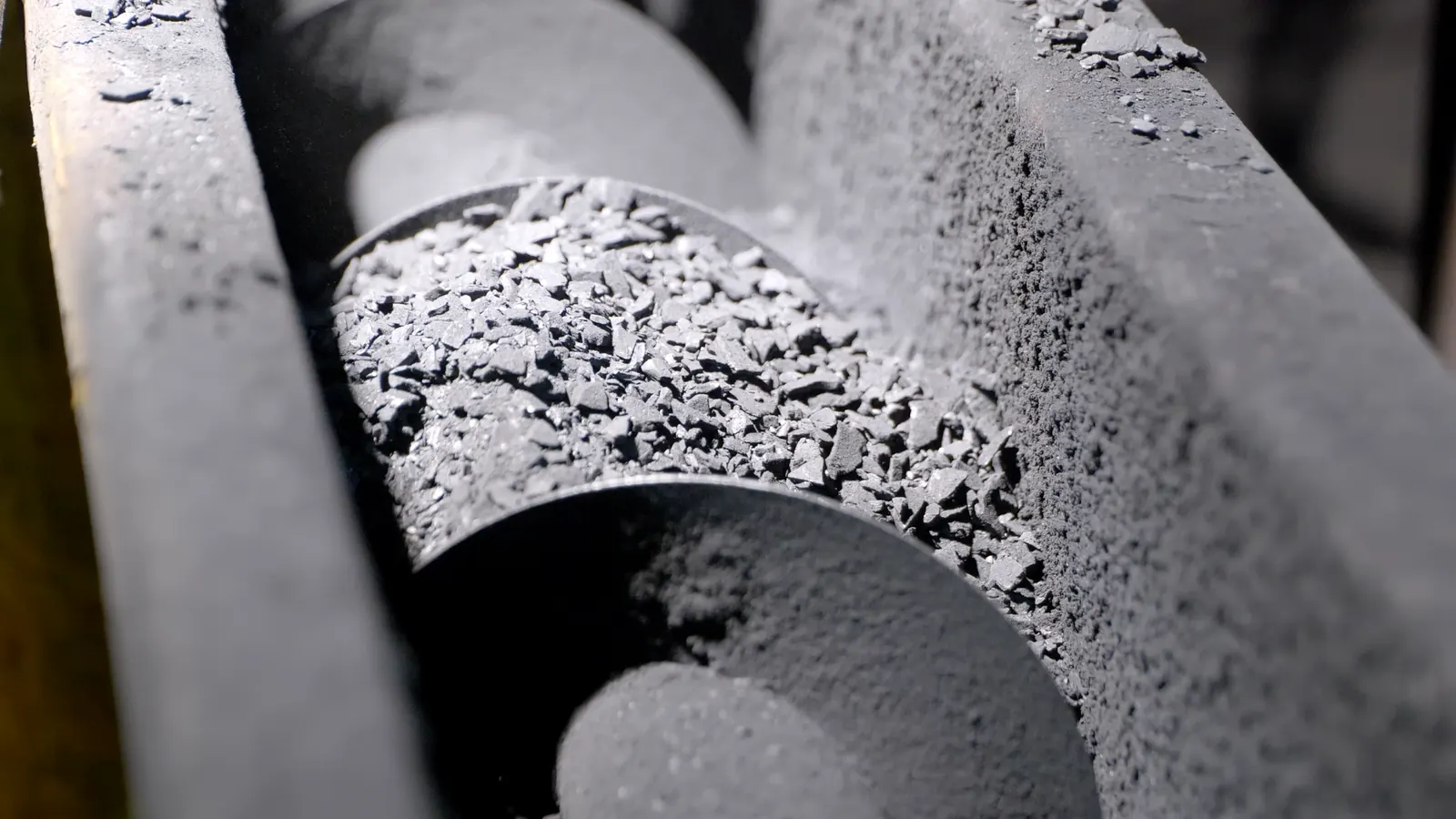
04What remains is biochar
6 products
Energy · replaces fuel you buy today
GasFires your burners and boilers. Replaces LPG and fuel oil.Cost avoided
PowerRuns your plant. Replaces grid power and diesel.Cost avoided
Hot airDries grain, fruit, wood or feed. Replaces dryer fuel.Cost avoided
Hot waterProcess, washing and sanitation. Replaces boiler fuel.Cost avoided
BiocharStable carbon sold as a product, from agricultural soils to cosmetic grades (for example NacoaBiochar.com), and the basis for carbon-removal credits.New revenue
1
Your fuel bill shrinks
Gas, power, hot air, hot water and steam replace the LPG, fuel oil, diesel and grid power you pay for today.
2
A product you can sell
Biochar leaves the plant as a saleable carbon product, for soils and for cosmetic grades.
3
Carbon you can certify
The carbon locked in biochar stays in the soil for centuries, the basis for carbon-removal credits.
How the technology works →Each plant is configured for the products your site needs; outputs combine, for example steam and hot air.
02
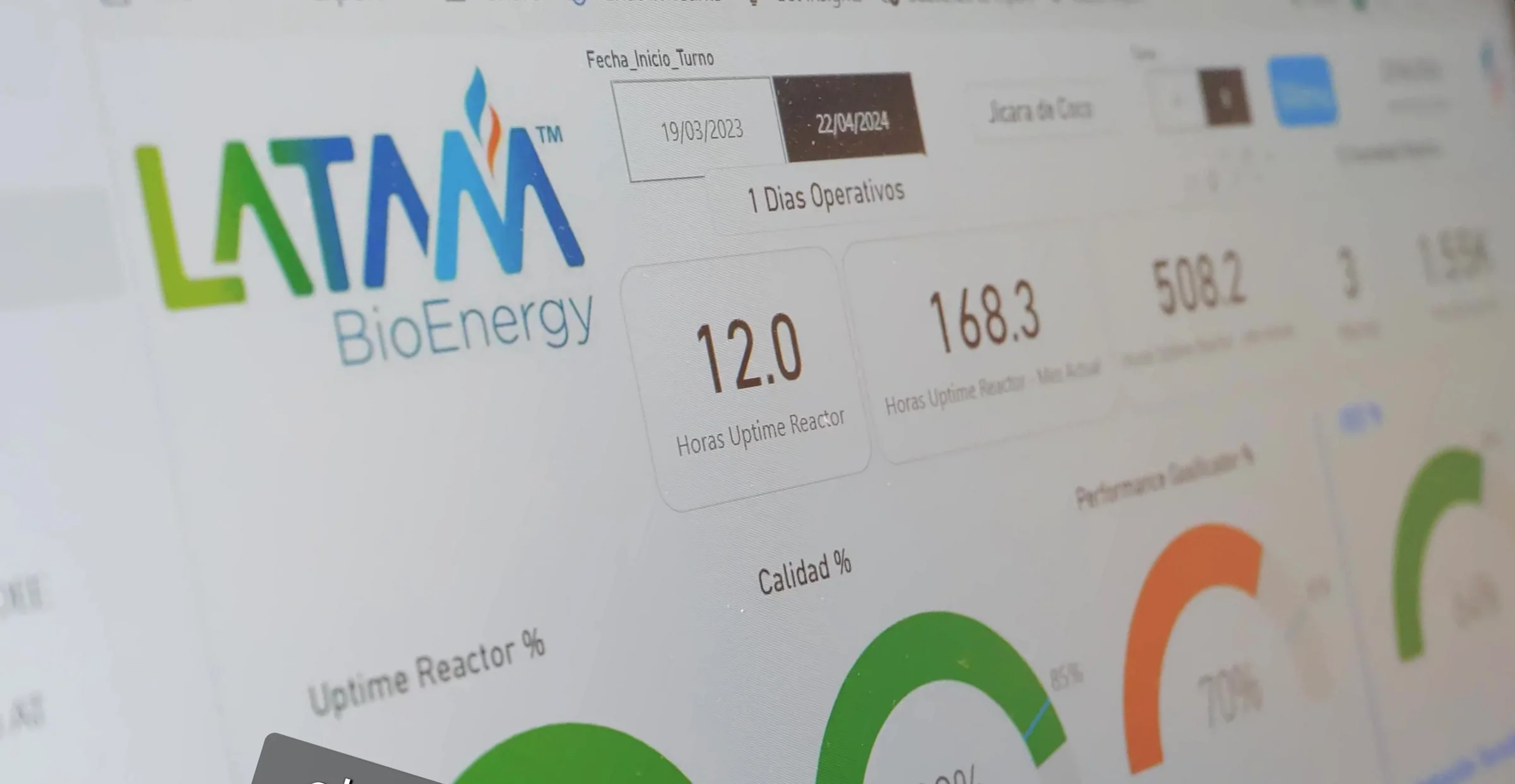
Why the savings hold: every minute is measured.
Our plants were the first in the region to put artificial intelligence on a downdraft gasifier. Sensors on every stage feed one live view shared by your operators and our engineers, so the fuel you stop buying is counted, not estimated.
01Temperatures, pressures, gas quality and feed rate, logged every operating minute
02Drift flagged before it becomes downtime
03Uptime and savings you can audit
03
Is this for your plant?
Three costs most agro-industries already pay: fuel priced abroad and paid in dollars; residue that takes space, labor and freight; and carbon that export buyers now ask about. We start where those lines cross.
Built for
Rice millsCoconut shell processorsPalm oil mills: kernel shellsNut hullers and shellersCorn shellers: cobsCoffee and cocoa processorsSawmills and wood processorsFood plants with steam or drying loads
Quick check
Do you buy LPG, diesel, fuel oil or grid power for heat, steam or drying?
Do you produce more than 6,000 tons of biomass residue a year?
Does your plant run more than 7,500 hours a year?
Three yes: your plant matches the profile we build for. The first review is free and takes one fuel bill.
Two yes: worth a look. Smaller or seasonal plants can work with a smaller unit or a year-round second use.
Fewer than two yes: gasification is unlikely to pay at your site today. Tell us anyway; conditions change.
Answer the three questions to see where you stand.
One number to keep in mind. A plant buying US$40,000 a month of LPG spends US$480,000 a year on a fuel it could make from its own residue.
04
One residue stream. Five useful outputs.
Choose an output to see the fuel it replaces and where we have already delivered it.
InHusks, shells, prunings or wood chips from your own operation
Demonstrated · reference plant, 2022
Fuel
Fossil-free gas
Replaces
LPG, natural gas and fuel oil in burners and kilns
Typical use
Direct firing in existing burners, with your current fuel kept as backup
Track record
Demonstrated · reference plant, 2022
Delivered · San Juan, Argentina, 2012
Power
Clean electricity
Replaces
Grid power and diesel generation sets
Typical use
Behind-the-meter generation and combined heat and power
Track record
Delivered · San Juan, Argentina, 2012
Engineered per project
Process heat
Hot air
Replaces
Diesel, LPG or fuel oil in dryers and furnaces
Typical use
Grain, feed and nut drying, often the largest fuel line in the plant
Track record
Engineered per project
Demonstrated · steam at the reference plant, 2022
Process heat
Steam and hot water
Replaces
LPG and fuel oil in boilers
Typical use
Cooking, pelleting, cleaning and pasteurization lines
Track record
Demonstrated · steam at the reference plant, 2022
Co-product at the reference plant
Co-product
Biochar
Replaces
Nothing: it is a second revenue line
Typical use
Soil amendment and long-term carbon storage
Track record
Co-product at the reference plant
Biochar
The harvest after the harvest.
Gasification does not burn the carbon in your residue. Part of it leaves as gas and heat for your plant; the rest comes out as biochar, a porous, stable carbon that can return to the same fields the residue came from.
Centuries, not seasons.Biochar carbon stays in the soil for hundreds of years. The 2019 IPCC inventory guidelines include it as a way to store carbon in agricultural soils.
Water and nutrients, where roots can reach them.Its pores hold moisture and fertilizer in the root zone, which on tropical soils can mean less lost to rain and heat.
A second revenue line.Sold as a soil amendment, or as durable carbon removal: most durable removal credits delivered worldwide today come from biochar.
16,500+ t CO2esequestered or avoided at our reference plant, combining biochar and lower emissions
UNDP and CONEP selected our work as a Promising Practice in 2023. Behind the label is something simpler: what one plant gives back to the business, the people, the land and the industry around it.
Economic
US$0.6 to 1.5M
a year that stays in the plant instead of leaving as a fuel bill
The fuel is made on site from residue the plant already has. The savings are measured against the bills it stops paying.
Social
100+
green jobs: 36 direct and more than 70 indirect
Skilled operators inside the plant, and a new rural chain of collection, drying and transport around it.
Environmental
16,500+ t CO2e
sequestered or avoided, combining biochar and lower emissions
Carbon kept in the soil as biochar instead of released to the air, and imported fossil fuel that is no longer burned.
Technological
1st
AI-integrated downdraft gasification plant in the region
Every minute measured, so uptime and savings are counted, not estimated.
Source: UNDP and CONEP, Promising Practices 2023 catalog. Figures reported by LatAm BioEnergy for its reference plant. Read more ↗
Your next fuel is already in your yard.
Send us one fuel bill and a line about your residue. An engineer will tell you whether gasification pays at your plant, what it would take to confirm it, and what the biochar could be worth. The first review is free.









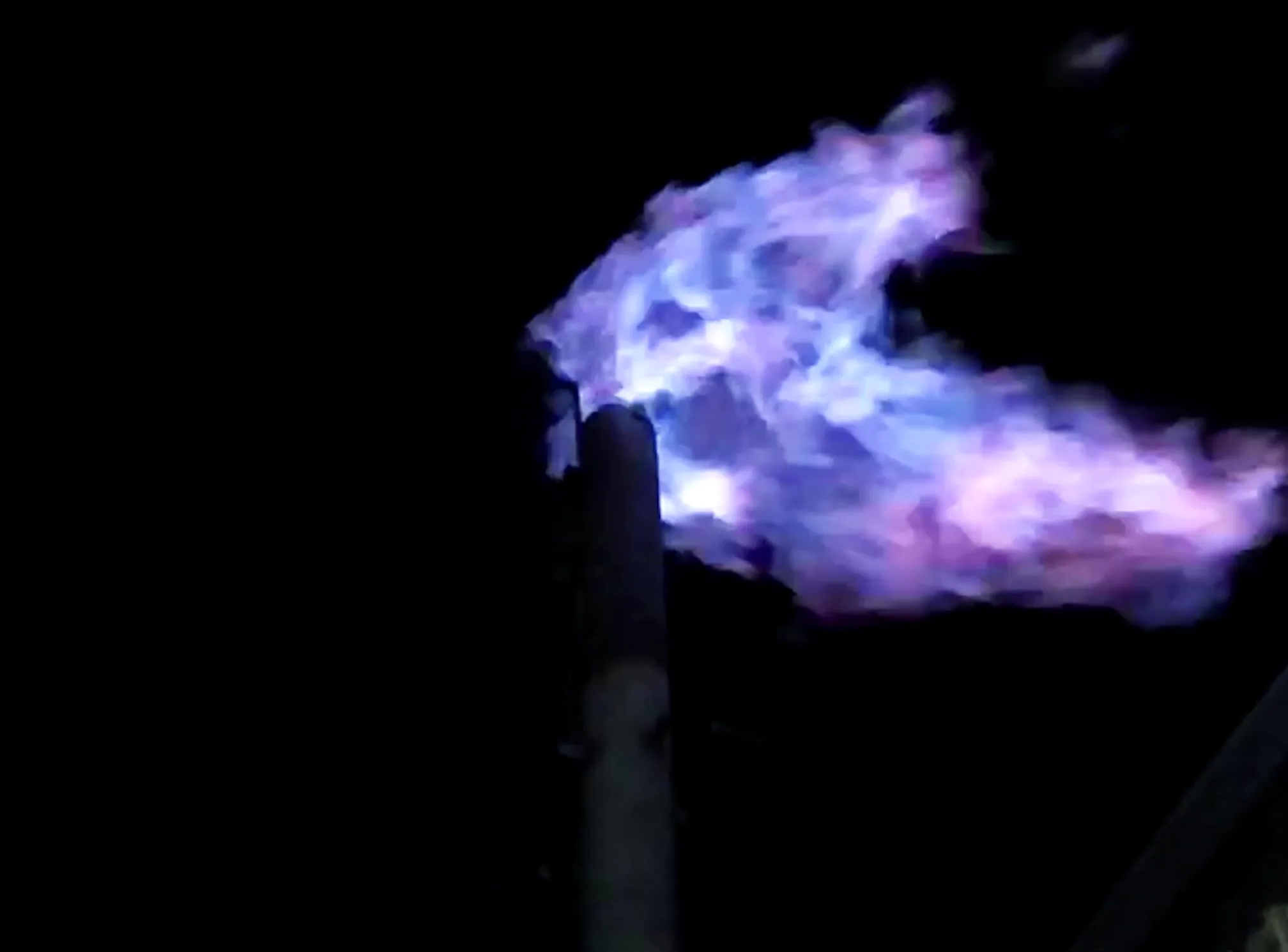 Demonstrated · reference plant, 2022

 Better Fuels,