
Thermal: steam and process heat
Syngas fired in place of LPG for steam at our reference plant in the Dominican Republic.
- Boilers and steam generators
- Dryers and hot-air furnaces
- Hot water loops
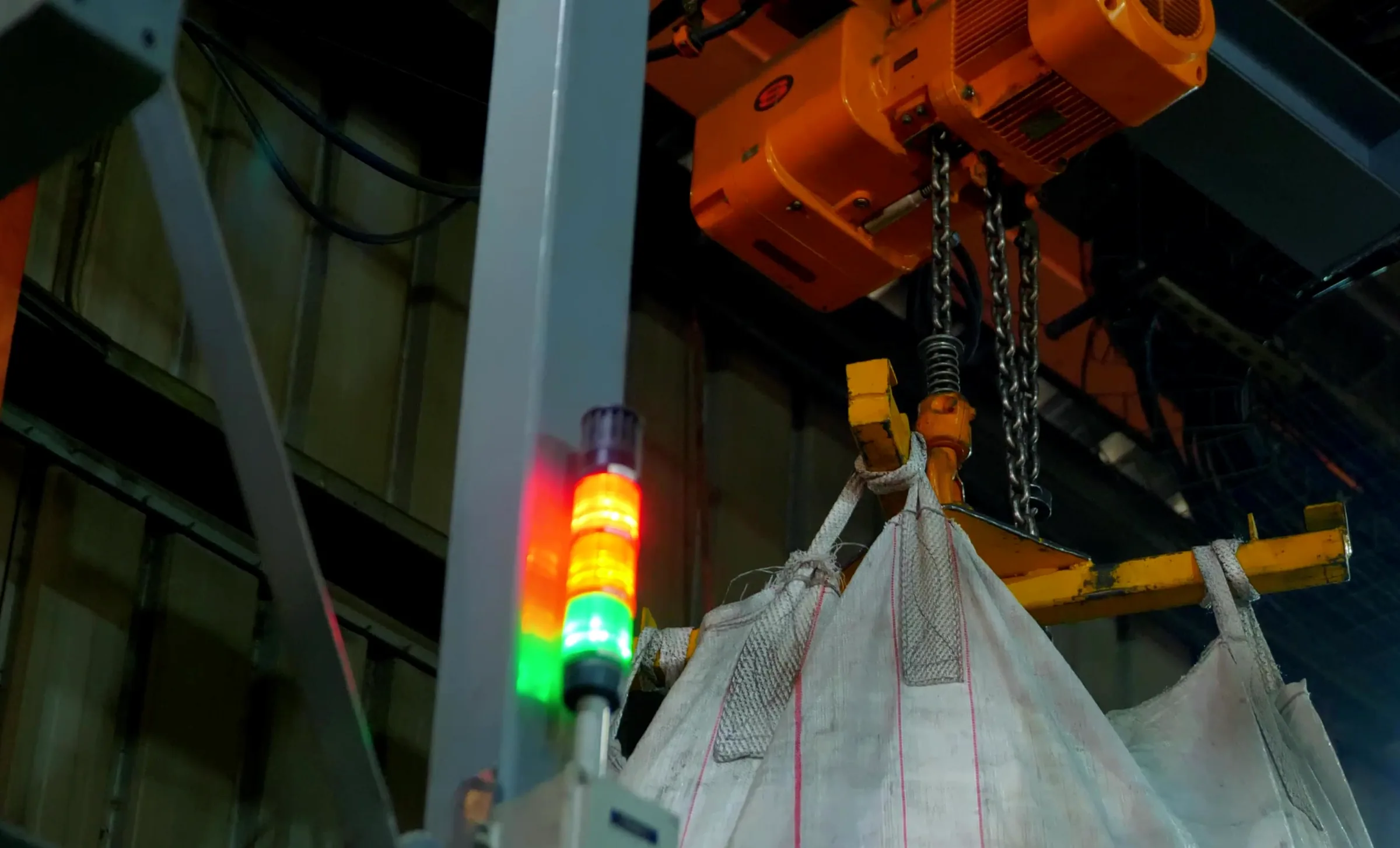
Technology
Downdraft gasification heats biomass with a limited amount of air. Instead of burning, it breaks down into a combustible gas and a carbon solid. The gas replaces fossil fuel; the solid becomes biochar.
01 · The process
Biomass and gas move in the same direction, down through the reactor. The gas is then cleaned to the standard its end use requires: a burner needs less than an engine.
Husks, shells, prunings or chips from your own operation.
Sized and dried to a stable moisture band.
Controlled air turns solid biomass into fuel gas.
Particles and condensables removed for the end use.
Burner, boiler, dryer or engine; biochar leaves the reactor.
02 · Applications
We separate what we have demonstrated in operation from what we engineer project by project. You will always know which is which.
Syngas fired in place of LPG for steam at our reference plant in the Dominican Republic.
Gas engines on cleaned syngas, with heat recovered for drying or hot water. Sizing follows your load and your residue tonnage.
A carbon-rich solid from every operating hour. Its value depends on feedstock and quality, and we model it conservatively.
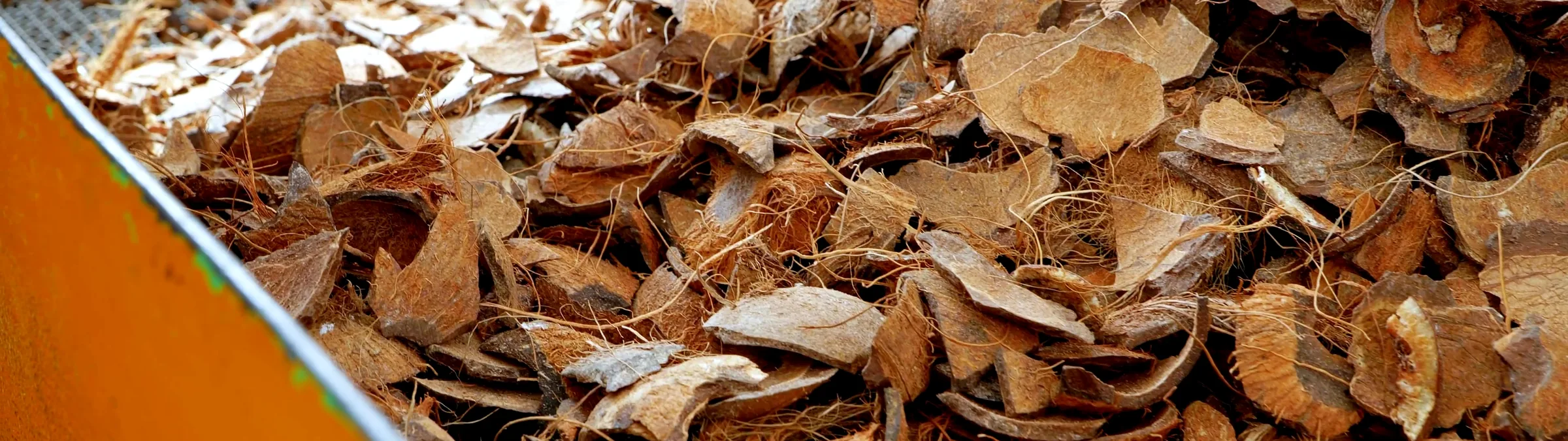 Every residue is tested first
03 · Feedstocks
Our plants have run on local biomass in the Dominican Republic and, in 2012, on olive pruning and olive press residue in San Juan, Argentina. Each new residue starts with a laboratory analysis, because ash content and moisture change everything downstream.
04 · Questions
We do not assume it. Every residue is sampled and analyzed in a laboratory for moisture, ash, energy content and ash melting temperature before any design work. Some residues need drying, blending or a different reactor configuration; some are not a fit, and we say so.
No. The gasifier is installed alongside your existing equipment, and your current fuel system stays in place as backup during commissioning.
It leaves the reactor as a dry carbon solid. Depending on its quality it can be used as a soil amendment or sold; we assess its value as part of the savings model.
It watches the plant continuously: temperatures, pressures, gas quality and feed rate. It flags drift before it becomes downtime and gives operators and our engineers the same live picture.
Your team, trained by ours, with remote monitoring from LatAm BioEnergy. We agree the operating model during the feasibility stage.
Send us one fuel bill and a line about your residue. An engineer will tell you whether gasification pays at your plant, what it would take to confirm it, and what the biochar could be worth. The first review is free.
Better fuels, for better food.